
Most Airbnb hosts start out cleaning their own properties. It makes sense at first. You know the space, you know what guests use, and you can do a thorough job if you have enough time between checkouts and check-ins.
The problem shows up gradually. Turnovers start compressing. A guest checks out at 11am, and the next one arrives at 3pm. You’re cleaning on a deadline, and corners get cut, not because you’re careless but because there isn’t enough time to do everything properly. Then a review mentions something. Hair in the bathroom. A smell in the bedroom. A sticky countertop. One comment like that, visible to every future guest who looks at your listing, does damage that takes months of good reviews to recover from.
Hosts who switch to professional cleaning before every turnover don’t usually do it because they want to stop cleaning. They do it because they’ve figured out that cleanliness is the single most reviewed category on Airbnb and that a professional standard of clean is genuinely different from a thorough home clean. Here’s what that difference looks like in practice.
What Guests Actually Notice (That Hosts Tend to Miss)
Guests arrive at a short-term rental with fresh eyes. They’ve just walked in for the first time, and they’re taking in everything at once. Hosts who clean their own properties, especially ones they also live in, develop blind spots over time. Things that have always looked a certain way stop registering.
The areas guests notice most consistently:
High-touch surfaces. Light switches, door handles, TV remotes, and faucet knobs. These surfaces are touched constantly and cleaned infrequently in a casual cleaning routine. Guests who are hygiene-conscious check them, and the ones who don’t check them still benefit from having them sanitized.
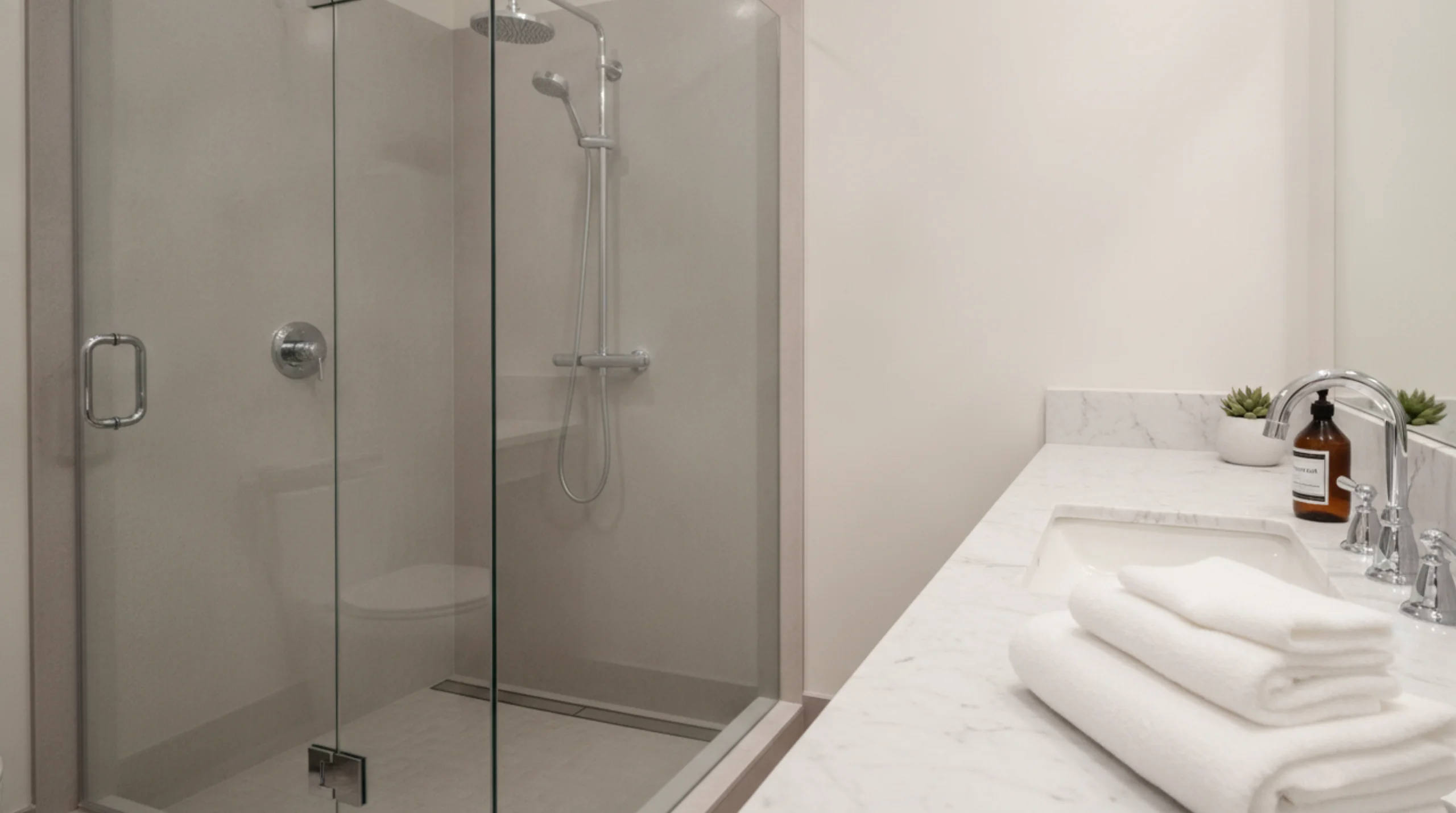
The bathroom, immediately. Before unpacking, before checking the Wi-Fi, most guests walk into the bathroom. Soap scum on the shower glass, hair on the floor, water spots on the mirror, or a toilet that isn’t fully clean gets noticed in the first 60 seconds. This is the room that generates the most cleanliness complaints across short-term rental platforms.
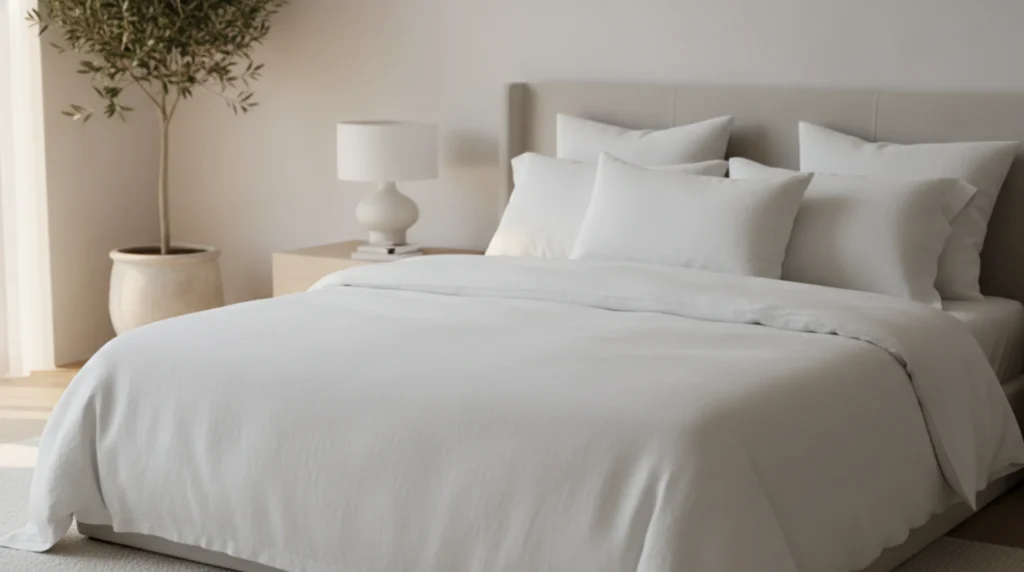
The bed and bedding. Guests pull back the duvet. They check the pillowcases. A hair on the sheet or a stain on the mattress protector ends the first impression immediately and doesn’t recover. Bedding needs to be changed completely between every stay, not inspected and reused.
The kitchen surfaces and appliances. Inside the microwave, the stovetop, and the inside of the refrigerator door. Guests who are cooking check these spaces. Residue from a previous guest in any of these areas reads as the property not being properly cleaned between stays.
The smell of the space. A short-term rental should smell neutral when guests arrive. Cooking smells, pet odors, musty fabric, or heavy air freshener masking something underneath are all noticed immediately. Smell is the one thing guests can’t unsee once they’ve noticed it.
The Gap Between a Thorough Clean and a Professional One
A thorough home clean and a professional turnover clean are not the same thing, and the difference isn’t just speed. It’s systematic coverage.
A homeowner cleaning their own space makes decisions as they go. They prioritize what looks dirty and skip what looks fine. In a property that’s been used by strangers, that approach misses things, because a previous guest’s cleaning habits and standards are different from the host’s. Something that “looks fine” may not be fine by the standard a paying guest applies.
Professional cleaning crews work from a fixed protocol. Every room has a sequence. Every surface type has a specific product and tool. Nothing gets skipped because it looked acceptable on a quick scan. The protocol exists precisely because visual inspection alone isn’t reliable.
For Airbnb turnovers specifically, the protocol includes items that don’t come up in a standard home clean:
- Checking under furniture and along baseboards for items left by previous guests
- Wiping all cabinet and drawer interiors in the kitchen and bathroom
- Sanitizing all high-touch surfaces with a separate disinfectant step, not just wiping with a general cleaner
- Checking and restocking consumables: toilet paper, hand soap, dish soap, trash bags
- Inspecting all linens and towels for staining before folding and placing them, rather than assuming the laundry cycle solved it
- Documenting the condition of the property with photos after the clean is complete.
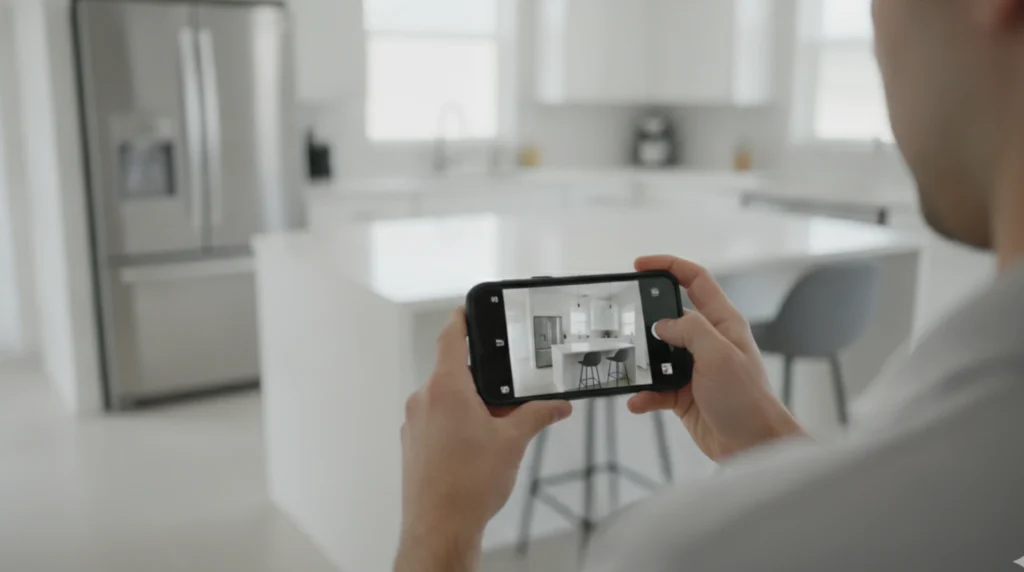
Photo Documentation: Why It Matters for Hosts
One of the things that professional cleaning brings to short-term rental management that hosts often don’t think about until they need it is a documented record of the property’s condition after each clean.
When a guest claims damage or reports a condition issue, the host’s ability to respond effectively depends on whether they have evidence of what the property looked like before that guest arrived. Without documentation, it becomes a dispute without resolution. With timestamped photos of every room taken after the turnover clean, hosts have a clear record of what was present, what was clean, and what condition the property was in at check-in.
This also applies in the other direction. If a cleaner completes a turnover and discovers damage left by the departing guest, documented photos provide the host with evidence to file a claim through Airbnb’s resolution process.
Photo reporting is part of the turnover protocol we use for every short-term rental clean. It takes a few minutes per job and has resolved more than one ambiguous situation for the hosts we work with.
The Tools and Products That Make the Difference
Part of what separates a professional turnover clean from a DIY one is the equipment. Most homeowners own a vacuum, a mop, and a collection of spray cleaners. A professional cleaning kit for short-term rental work is more specific.
Steam cleaning for bathrooms and kitchen surfaces
A handheld steam cleaner sanitizes tile, grout, and hard surfaces without chemical residue. For a short-term rental where guests expect hotel-level hygiene, steam cleaning the bathroom between stays removes bacteria and mold spores from tile and grout in a way that spray disinfectants can’t fully replicate. It also leaves no chemical smell, which matters for the neutral scent that guests should encounter at arrival.
Disposable towels for kitchen and bathroom surfaces
Professional crews use single-use towels on kitchen counters and appliances rather than reusable cloths that carry bacteria from a previous surface or a previous property. In a short-term rental context, this is the right call: you’re not cleaning your own kitchen where cross-contamination is a personal calculation. You’re preparing a space that a stranger will cook in, and the hygiene standard needs to reflect that.
Targeted products for specific problem surfaces
Short-term rentals accumulate specific types of buildup faster than owner-occupied homes, because guests use things intensively in a short period. Hard water deposits on shower glass, soap scum on tile, and fingerprints on stainless steel appliances accumulate visibly between stays if they’re not treated specifically.
A cleaning kit for this work includes products for each of these surface categories: a mild abrasive paste for mineral deposits and baked-on residue, a dedicated glass cleaner for shower enclosures and mirrors, and a stainless steel cleaner for appliances and fixtures. Using a single all-purpose spray across all of these surfaces is what produces the acceptable-but-not-impressive results that eventually show up in review scores.
What Professional Cleaning Costs vs. What It Protects
Airbnb hosts typically pass the cleaning fee through to guests. The fee covers the cost of the turnover clean and is visible to guests before they book. Most guests accept a reasonable cleaning fee as part of the total cost of the stay. What they don’t accept is a fee on top of a property that doesn’t meet a basic standard of clean.
The financial case for professional cleaning comes down to what’s being protected. A Superhost rating on Airbnb requires maintaining a high overall review score over time. Cleanliness is one of the six specific categories guests rate. A single bad review in this category pulls the average down and can cost a host the Superhost badge, which directly affects search ranking and booking rate on the platform.
Beyond ratings, a property that consistently receives five stars on cleanliness commands higher nightly rates than a comparable property with a mixed record. Guests filtering for well-reviewed properties apply that filter across all categories, and cleanliness is typically the one they weight most heavily for a stay where they’re sharing someone else’s space.
The hosts who come to us after managing cleanings themselves usually do the math in the same direction. The time cost, the inconsistency, and the occasional bad review are together more expensive than a professional turnover fee once they add it up properly.
What a Professional Turnover Handoff Looks Like
For hosts who haven’t worked with a professional cleaning service for short-term rental turnovers before, the logistics are straightforward.
The cleaning team coordinates directly around the checkout and check-in times. We arrive after checkout, work through a room-by-room protocol, and document the completed clean with photos before the incoming guest arrives. The host receives confirmation that the property is ready, along with photo documentation of its condition.
If anything is found during the turnover that needs the host’s attention, whether it’s damage, a missing item, or a supply that needs restocking, we flag it immediately rather than leaving the host to discover it at the next booking.
The protocol is consistent from one visit to the next. That consistency is what produces a reliable review score over time. Guests staying in the same property six months apart should have the same experience in terms of cleanliness, and that’s only achievable with a repeatable process rather than a variable effort depending on how much time the host had that day.
The Honest Summary
Running a short-term rental well is a logistics operation. The cleaning turnover is the piece that guests evaluate most directly, and it’s the piece that’s hardest to do consistently at a high standard when you’re also managing bookings, communicating with guests, handling maintenance, and everything else that comes with hosting.
Professional cleaning between every stay isn’t a luxury add-on for high-end properties. It’s the practical choice for any host who wants to maintain their rating, protect their investment, and stop spending their own time on a task that’s harder to do well than it looks.